Article

Urban data center design: How Stellanor built a human-centric colocation facility in London

Gary Watson

Chief Operations Officer

Gary Watson Author

How Stellanor’s Goswell Road transformation sets the template for human-centered colocation

First impressions matter in urban colocation. When customers actually visit facilities – when their teams work on-site rather than just pass through – the environment sends a message about the complete enterprise experience.

At Stellanor’s Goswell Road data center in London, that message is deliberate: professional environments and robust security aren’t mutually exclusive. Enterprise-grade protection doesn’t require fortress mentality. Urban proximity creates value when the physical environment supports how customers actually work.

This wasn’t accidental. It required rethinking how data centers are designed.


Designing a human-centered data center: The brief for Goswell Road.

When Stellanor engaged ARC:MC to transform Goswell Road in London, the brief differed from typical data center projects in one fundamental way: design for people, not just IT infrastructure.

“Most datacenter design focuses entirely on technical requirements – power density, cooling efficiency, cable management. Human spaces, if they exist at all, are afterthoughts. More often, clients work in control rooms and corridors.”

Stellanor wanted something different

The challenge: Engineer the facility for AI-ready workloads while creating a modern working environment. Install advanced cooling systems while respecting the building’s Grade II listed heritage. Develop human-centered spaces without compromising technical capability.


Heritage meets modern capability

Goswell Road has history. The Grade II listed building was home to Gordon’s Distillery, producing one of London’s most famous gins. In 2000, Level3 completed construction of London’s premier data center adjacent to this landmark.

Now it’s Stellanor’s flagship – and the template for our urban data center network.

The transformation balances historical significance with modern technical requirements, acknowledging that infrastructure improvements happen better when customers are put at the center.


What ‘designed for people’ actually means in urban data center design

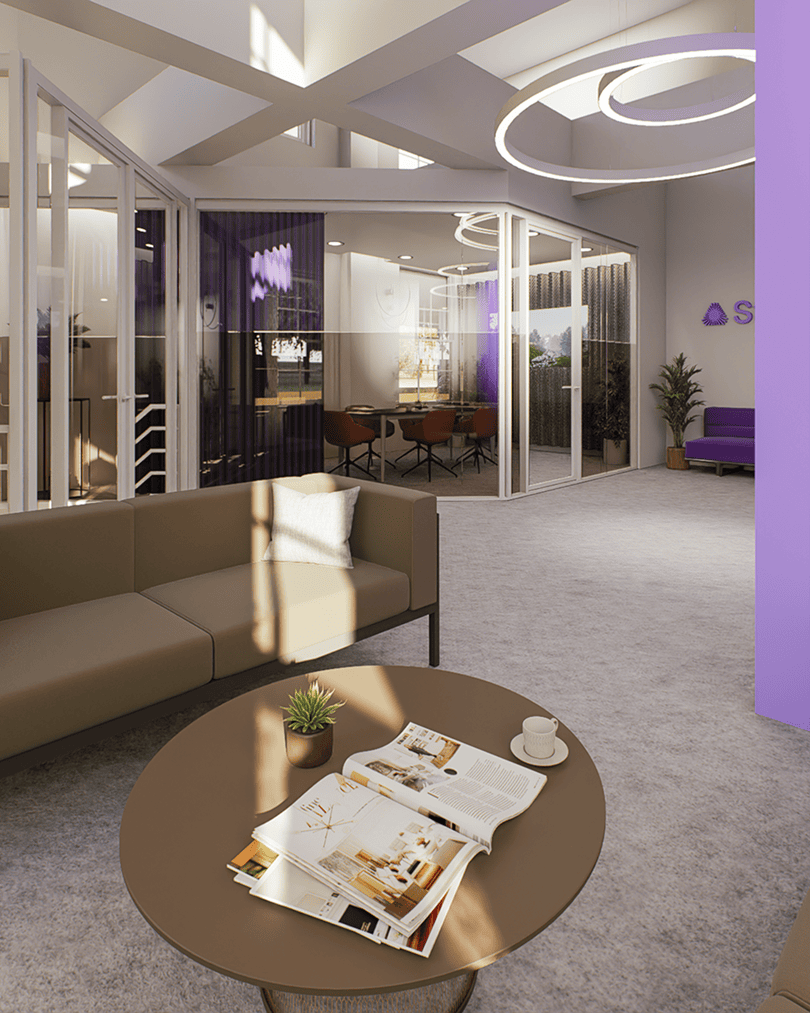
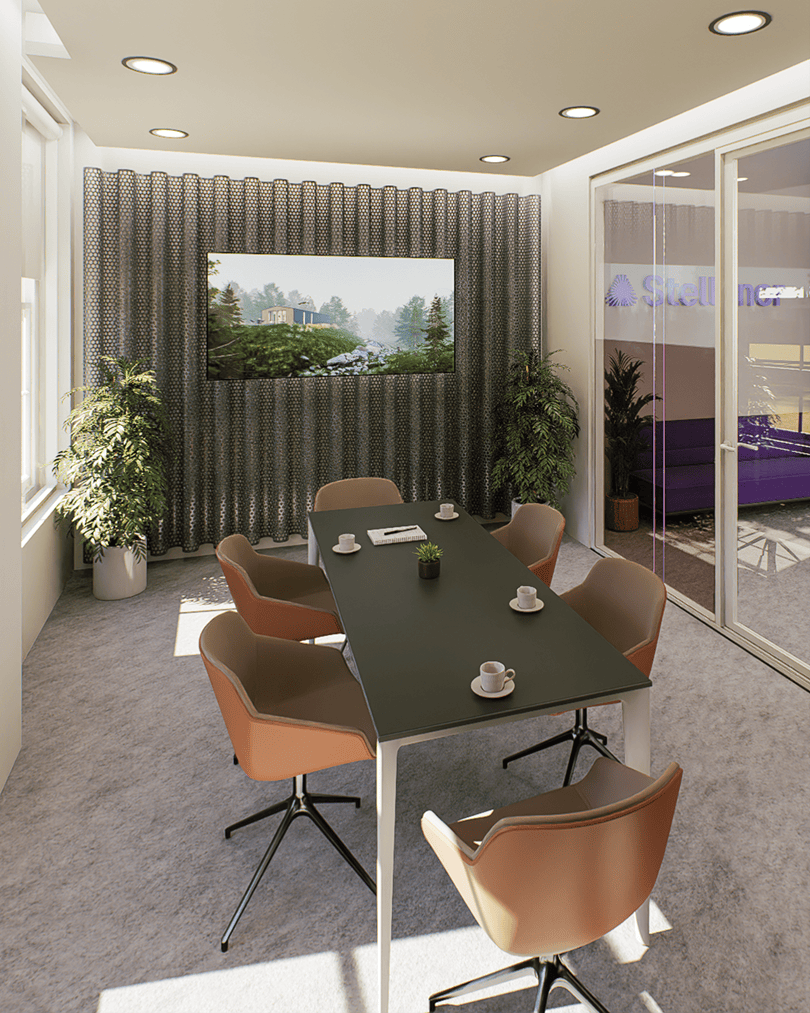
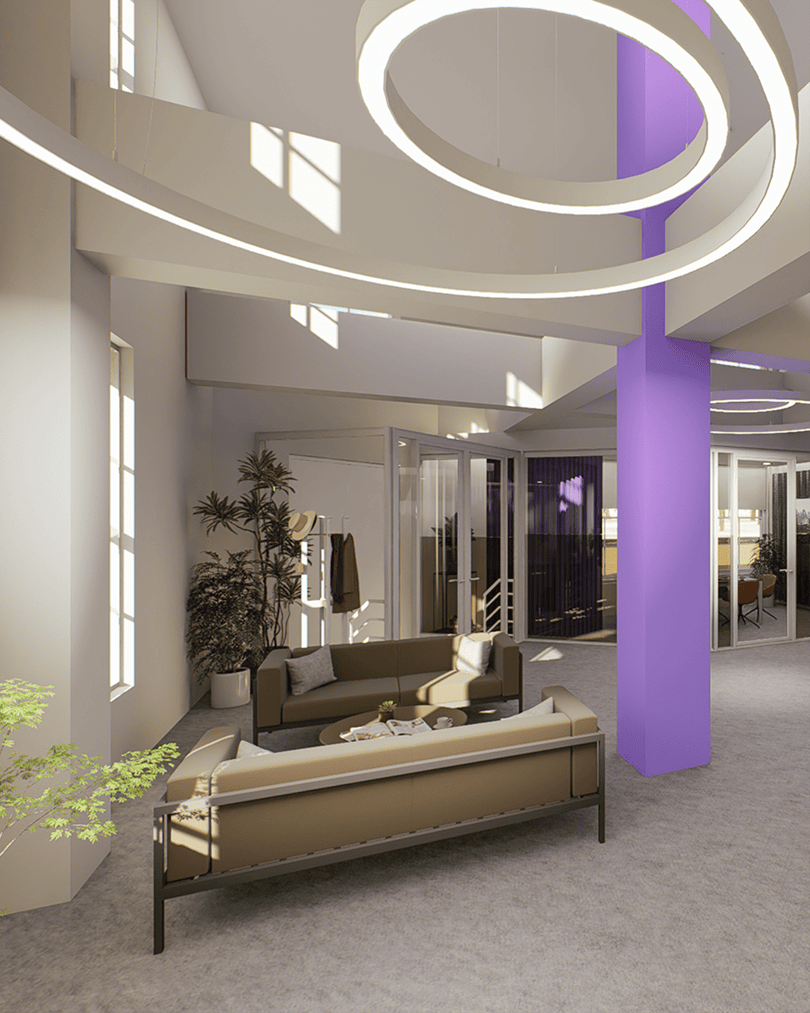
Creating professional environments beyond the hum of the data halls, recognising that data centers are workplaces as much as they are technical infrastructure. It is important to provide calm, comfortable spaces that support the wellbeing of engineers, customers and visitors who may spend extended periods on site. Thoughtful design elements – such as good lighting, appropriate acoustics, breakout areas and carefully planned spatial layouts- help reduce fatigue, support concentration and contribute to a more positive working environment. Ultimately, even the most advanced digital infrastructure depends on the people who operate, maintain and trust it every day.

The approach includes:

  • Professional reception that welcomes, not intimidates – Setting the operational tone for the entire facility
  • Secure work lounges – Where technical teams can work comfortably, not in cramped data halls and corridors
  • Meeting spaces for collaboration – Professional environments for hosting clients and strategic sessions
  • Enterprise-grade protection without fortress mentality – Sophisticated security that isn’t oppressive

Urban colocation means customers actually visit – their teams work here, not just pass through. Reception sets the tone for the entire facility. Professional environments and robust security aren’t mutually exclusive. This is what platform investment enables: while power and cooling upgrades are key, we are transforming the entire customer experience from arrival to operations.”


Where Great Minds Meet

Reception serves the same purpose for people that meet-me rooms serve for networks: creating critical connection points where value is exchanged. Just as our meet-me rooms enable network peering and data exchange between carriers, our reception areas enable the human collaboration that makes enterprise colocation work.

Our data centers are as much about the people who work within them as the servers they house. This human-centered approach recognises that technical excellence and operational reliability depend on environments that support focused work, strategic collaboration, and seamless client interaction.


The template for urban colocation

Goswell Road isn’t just one facility. It’s the template.

As Stellanor scales across the UK, this human-centered design philosophy scales with the platform. Not every building has Gordon’s Distillery heritage, but every facility prioritizes the same operational accessibility.

The elements that make Goswell Road work – natural light where possible, professional client spaces, security that’s sophisticated rather than oppressive – become standards, not exceptions. This is what “facilities purposefully designed for human interaction, comfort, and operational efficiency” means in practice.


Urban location, modern capability, human-centered design

Urban datacenters mean clients actually visit. Their technical teams work on-site for migrations, upgrades, troubleshooting. Their executives visit for facility tours and strategic discussions. Their partners come for collaborative projects.

The physical environment either supports this reality or fights against it.

Goswell Road demonstrates Stellanor’s answer: super-central London location, historical significance, modern AI-ready capability, and design that respects the humans who depend on the infrastructure.


About Stellanor’s Goswell Road facility

  • Location Central London (Clerkenwell/Islington border)
  • Address 18-20 Goswell Road, London EC1M 7BP
  • Heritage Grade II listed building, former Gordon’s Distillery site
  • Technical Capability Building high-density power infrastructure supporting AI-ready workloads
  • Power Capabilities Advanced cooling systems and redundant power distribution
  • Connectivity Carrier-neutral with multiple fiber providers and meet-me room infrastructure
  • Security Enterprise-grade physical and digital security with 24/7 monitoring
  • Design Partner ARC:MC Architecture
  • Status Stellanor flagship facility and urban design template

Expert Perspective: The architect behind Goswell Road

Michael Baggs, Senior Associate at ARC:MC and Lead Architect for the Goswell Road transformation

Michael is an accomplished Chartered Architectural Technologist (MCIAT) with over 10 years of experience at ARC:MC, where he currently serves as a Senior Associate. Throughout his tenure at the firm, he has developed a strong expertise in architectural design, specialising in the complexities of Data Centre design. His passion for the sector led him to achieve the Certified Data Centre Professional (CDCP) qualification in 2021, further solidifying his proficiency in this highly specialised field.

As an Associate, Michael plays a key leadership role, leading internal teams and working closely with a diverse range of consultants to successfully deliver complex Data Centre projects across the EMEA region. His ability to collaborate effectively with both clients and external stakeholders ensures the seamless execution of projects, meeting the high standards and specific requirements of each client.

Learn more about ARC:MC Architecture

Building the platform for a digital future

We’re building the platform for a digital future that’s close to the businesses and people who depend on it. Digital business doesn’t just run on infrastructure – it thrives on relationships. That includes the relationship between facility design and the humans who work there.

Around the corner. Around the clock.

Explore Stellanor’s urban colocation data centers in London or contact our team.

No questions and answers were found that match your search query. Please try a different search term.

FAQ

Frequently asked questions about urban data center design

An urban data center is a colocation facility located within a major city center, allowing enterprise clients to access infrastructure close to their operations. Unlike remote campus-style data centers, urban facilities like Stellanor’s Goswell Road are positioned in central business districts to minimise latency and enable frequent on-site access for technical teams.

Because enterprise teams frequently work on-site during migrations, upgrades, and troubleshooting. Unlike wholesale or hyperscale facilities where customers rarely visit, urban colocation facilities serve as working environments for client technical teams. Professional reception areas, comfortable work lounges, and collaborative meeting spaces directly impact operational efficiency and customer experience.

Goswell Road will be refurbished with a human-centered approach. While most data centers treat customer spaces as afterthoughts, Stellanor prioritises natural light, professional reception areas, secure work lounges, and collaborative meeting spaces alongside technical infrastructure. The facility combines Grade II listed heritage with modern AI-ready capabilities, proving that sophisticated security and welcoming environments aren’t mutually exclusive.

AI-ready infrastructure refers to data center facilities designed to support the high-density power requirements and advanced cooling systems needed for artificial intelligence workloads. This includes enhanced power distribution, liquid cooling capabilities, and robust fiber connectivity to handle AI inference, machine learning, and real-time analytics applications that require significantly more power density than traditional enterprise IT workloads.

Request a quote